
Our single-varietal wines express the distinctive power and intensity of this farm through varieties specifically chosen for each parcel. Each remains recognizably true to its variety, while taking on the unusual depth, complexity, and structure of this place—qualities that often demand extended aging in barrel and bottle before release.
The label on each Concinnitas Farm single varietal wine is a hand-drawn star map. Each depicts the night sky, as viewed from our farm, just before sunrise on the date of the first harvest of grapes from that block.
Single-Varietal Wines
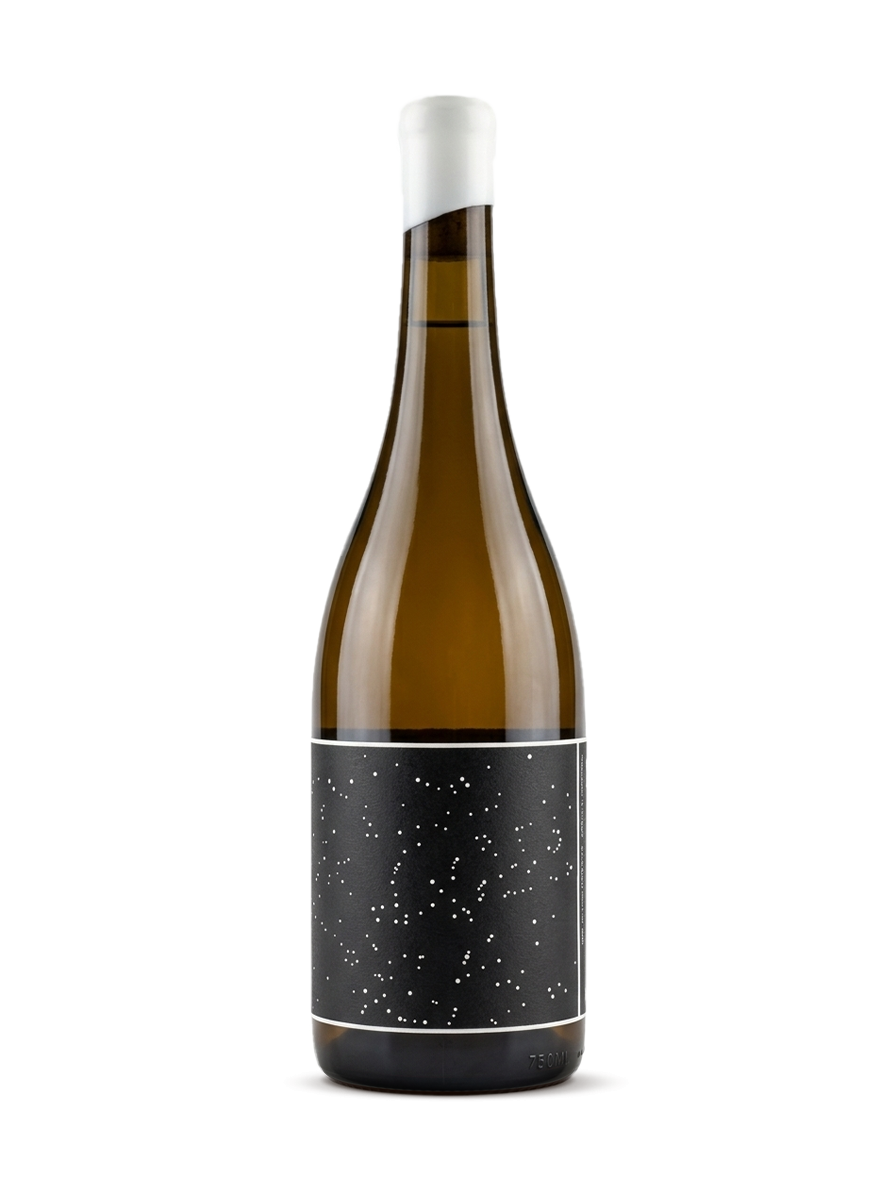
Our site is planted to the Doré clone of Aligoté. This gold-skinned clone, historically propagated in Burgundy from older massale plantings, is a low-yielding selection with a smaller cluster and berry size, a higher extract, and a riper flavor when compared to the Vert selection. Acidity remains high, with the fruit profile favoring golden tones from yuzu citrus to warm fennel. It is planted on the northeast corner of our hillside to maximize exposure to morning sun and coastal winds – conditions that promote greater aromatic intensity, structure, and extract than is typical of European examples.
The grapes are whole-cluster pressed over several hours. The juice is settled overnight before it is barrel fermented with native yeasts and aged on its lees in neutral oak for 10 months, completing malolactic fermentation. It is then transferred to stainless steel barrels for an additional 12 months of lees aging. The wine is bottled unfined and unfiltered to retain the full expression of the vintage and site. Purchase
2022 Aligoté
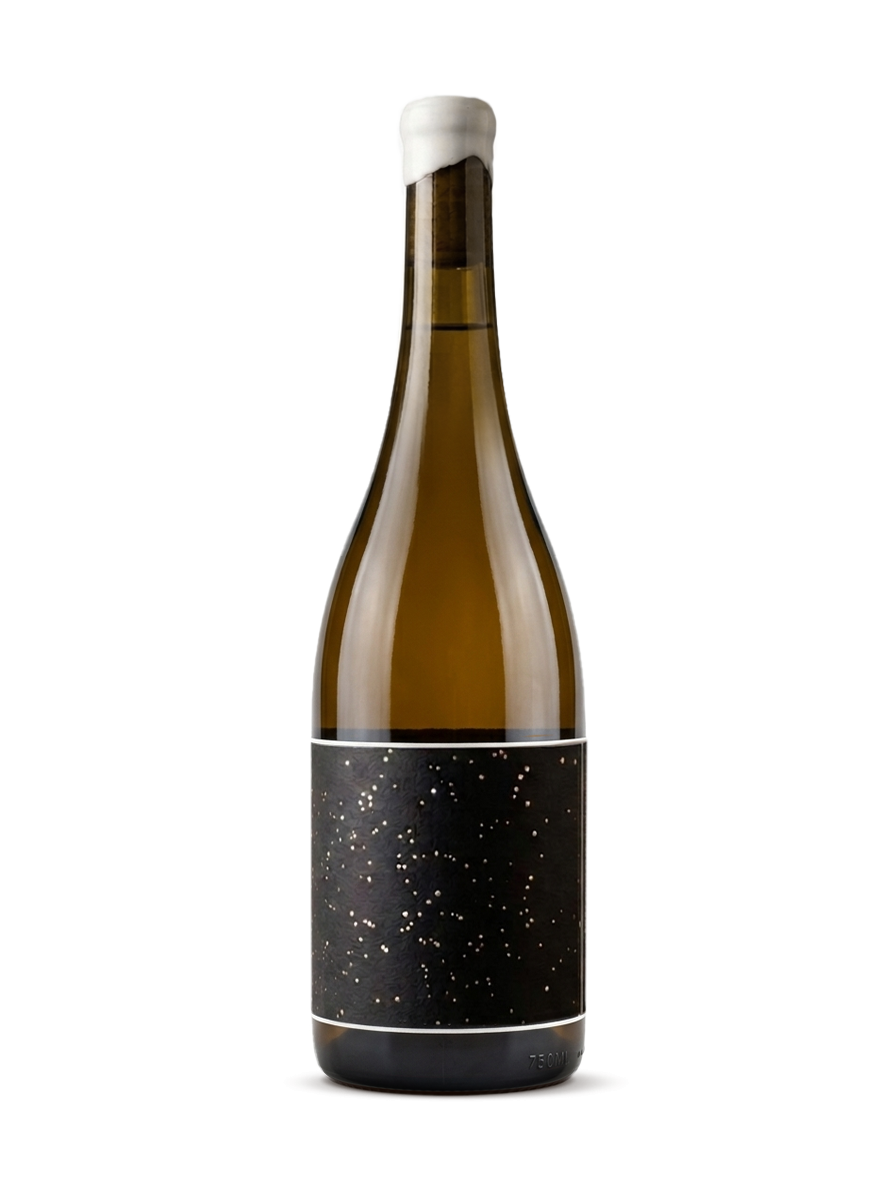
Our Chenin Blanc comes from a unique clone originating in the Anjou region of the Loire Valley, selected for its small clusters and low yields. Our intent is to produce a powerful, dry Chenin Blanc with high extract and long aging potential. Chenin Blanc was selected for its tendency to bud late and ripen late, typically in mid-late-October, this characteristic allows the grapes to develop flavor ripeness during the cooler part of our growing season, from mid-September into the cooling autumn days. A low-yielding Anjou clone was selected to ensure ripeness and concentration of fruit with ample dry-extract at harvest.
The fruit was whole cluster pressed for several hours with a short overnight juice settling before being taken to neutral barrels. The natural high extract of this clone and from this site negates the need for any new oak. Extended time on lees in neutral barrels gives the fullest site and vintage expression. Purchase
2022 Chenin Blanc
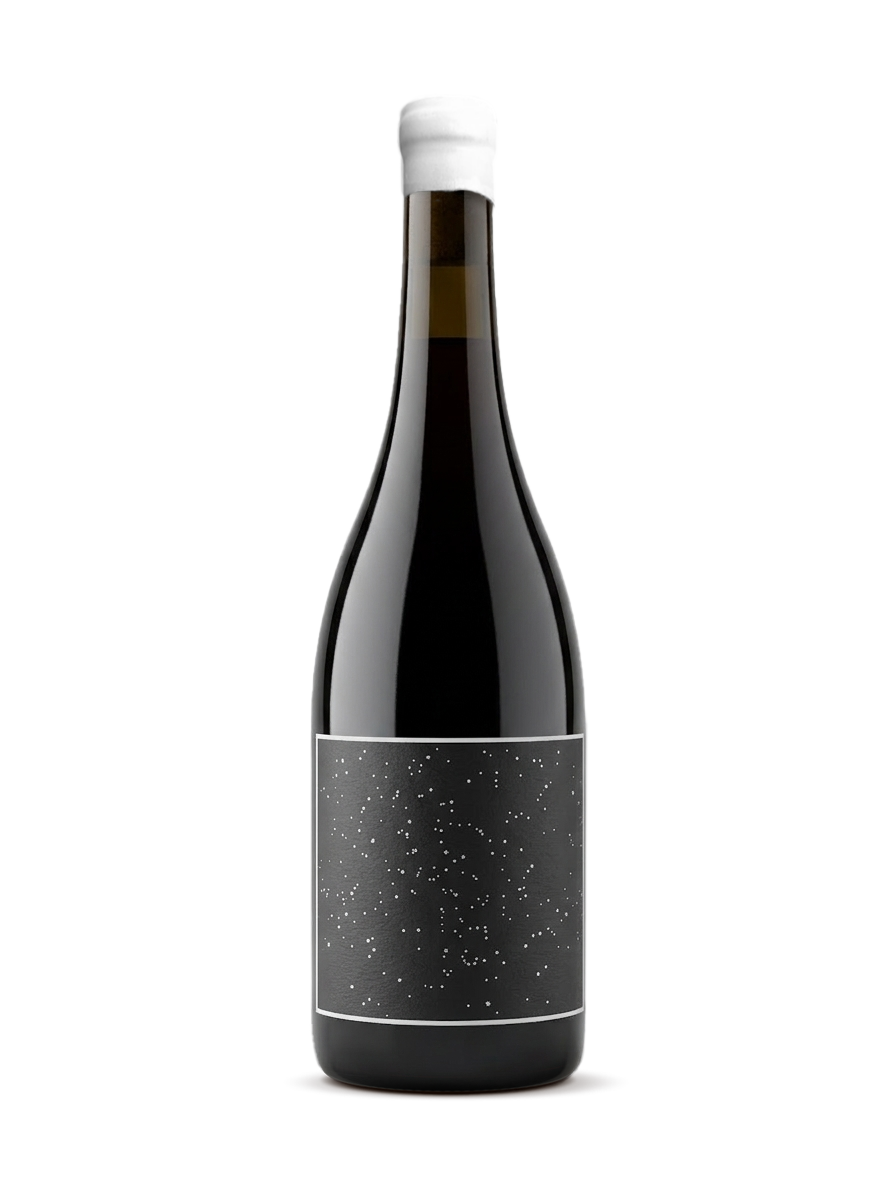
Our premium clonal selection of Gamay Noir, from Loir-et-Cher and planted throughout Morgon and Beaujolais, was chosen for this site and soils. It is prized for its lower yields, delicate berry fruits, site-transparency and age-worthy structure, and is therefore better suited to the high-UV, cloud-free skies of an Oregon summer. The vines are planted on our only slope with an eastern exposure and are head trained. Head training allows us to farm a more balanced vine and canopy and temper the vigor and power Gamay often shows in Oregon.
Hand-harvested clusters were cold soaked for several days until the ambient yeasts began fermentation. A small portion of stems were included to promote the variety’s natural spice characters. Gentle punch downs were employed daily for light extraction and fine tannin development. The wine was pressed and transferred to neutral oak barrels, including press wine, for natural malolactic fermentation and extended aging. The resulting wine is light in body yet highly aromatic, expressing the vivid fruit, spice, and energy we find most compelling in Gamay. Purchase